Long journeys are a part of life in Pakistan. People drive from Lahore to Islamabad on the motorway, take buses from Karachi to Hyderabad, travel to their villages for Eid, commute for hours every day, or work as drivers, riders and truckers. After hours of sitting in a car, bus, coach or plane, the back and neck often feel stiff and sore. This guide shares practical tips to reduce stiffness before, during and after long drives and travel, plus simple stretches and a massage routine you can do when you arrive.
Quick answer: how do you ease back and neck stiffness from long drives?
Adjust your seat so your back is supported and your head is close to the headrest, take a 5–10 minute break every 1.5–2 hours to walk and stretch, keep your shoulders relaxed and drink water. When you arrive, do a few gentle stretches and massage your neck, shoulders and lower back with a warming herbal oil.
If you have back or neck pain with numbness, tingling, weakness in the arms or legs, or pain after an accident, see a doctor immediately.
Why long journeys cause stiffness
- Sitting still for hours keeps muscles in the same position.
- Poor seat position makes you slouch or lean forward.
- Vibration from the road adds to muscle fatigue.
- Holding the steering wheel keeps the shoulders tense.
- Looking at a phone bends the neck forward.
- Sleeping in a seat often leaves the neck at an awkward angle.
- Dehydration on long journeys makes people feel more tired.
Before the journey
- Do a few stretches: shoulder rolls, neck tilts and a gentle back twist.
- Wear comfortable clothes and shoes.
- Pack a small cushion or rolled towel for lower back support.
- Pack a neck pillow if you plan to sleep.
- Carry water and light snacks.
- Keep a travel-size massage oil in your bag.
Setting up your seat (for drivers)
- Sit back fully so your hips touch the back of the seat.
- Adjust seat height so your hips are level with or slightly higher than your knees.
- Adjust the backrest to a slightly reclined angle (around 100–110 degrees).
- Use lumbar support or a rolled towel behind your lower back.
- Adjust the headrest so the middle of it is level with the back of your head.
- Position the steering wheel so your elbows are slightly bent.
- Move your mirrors so you do not have to lean or twist to see.
For passengers
- Sit back fully and use a cushion behind your lower back.
- Use a neck pillow if you sleep.
- Avoid looking down at your phone for long periods.
- Stretch your legs and shift position every 20–30 minutes.
During the journey
Take regular breaks
Stop every 1.5–2 hours, for example at motorway service areas. Get out, walk for 5 minutes and stretch.
Simple in-seat movements
These can be done by passengers at any time, and by drivers only when safely stopped:
- Shoulder rolls: 10 times backward and forward.
- Chin tucks: pull your chin back gently, hold for 5 seconds, 10 times.
- Neck tilts: ear to shoulder, hold 10 seconds each side.
- Seated back arch: sit tall and gently arch your upper back, then round it.
- Ankle circles: keep blood flowing in your legs.
Stay hydrated
Drink water regularly. Avoid too many sugary drinks.
Stretches when you stop or arrive
1. Standing back bend
Stand with your hands on your lower back and gently lean backward. Hold 5 seconds. Repeat 5 times.
2. Forward fold
Bend your knees slightly and let your upper body hang forward. Relax your neck. Hold 20 seconds.
3. Side stretch
Raise one arm overhead and lean gently to the opposite side. Hold 15 seconds each side.
4. Hip flexor stretch
Step one foot forward into a gentle lunge. Keep your back straight. Hold 20 seconds each side.
5. Neck stretches
Tilt your ear to your shoulder, then turn your chin towards your shoulder. Hold 15 seconds each.
6. Chest opener
Clasp your hands behind your back and gently lift them, opening your chest. Hold 15 seconds.
A massage routine after travel
When you arrive, a 10-minute massage helps tight muscles relax.
What you need
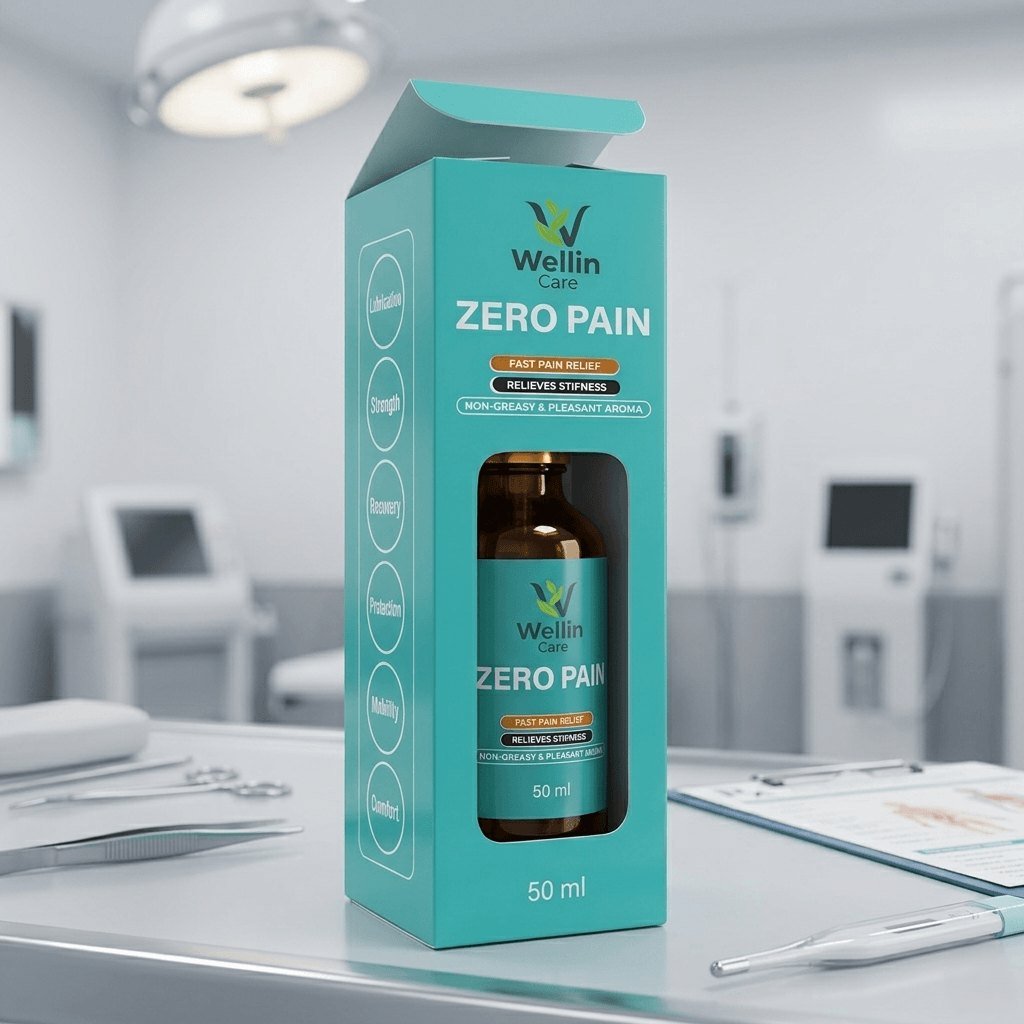
A herbal massage oil such as Wellin Care Zero Pain Joint Oil, made with sesame oil, olive oil, clove oil, ajwain (carom) oil, ginger and turmeric. Its 50 ml bottle is easy to keep in a bag or glove box.
Neck and shoulders
- Warm 6–8 drops of oil in your palms.
- Stroke down the sides of your neck from the base of your skull to your shoulders, 10 times.
- Squeeze and release the top of each shoulder for one minute.
- Make small circles at the base of the skull with your fingertips.
Lower back
- Warm 8–10 drops of oil.
- Place your palms on either side of your lower back.
- Make large, slow circles for 2–3 minutes.
- Ask a family member to help if you cannot reach.
Keep the area warm afterwards and rest for a while.
Tips for professional drivers and daily commuters
- Use a lumbar support cushion every day.
- Take breaks whenever possible.
- Do a 5-minute stretch routine at the start and end of each shift.
- Use an evening massage routine to relax.
- Keep a healthy weight and walk on days off.
- Get your seat and mirrors adjusted properly.
Travel by air
On flights, the same principles apply: stand and walk the aisle when it is safe, do shoulder rolls and ankle circles in your seat, use a neck pillow for sleeping and drink water.
Travel by bike or motorcycle
Riders feel stiffness in the shoulders, neck and lower back. Take short breaks, keep your elbows relaxed, wear a properly fitted helmet and stretch after the ride.
Travelling with elders
Elders often feel the most stiffness after long journeys, especially on trips to villages or for weddings and Eid. Give them a cushion for the lower back, stop more often so they can walk, and help them with a gentle massage of the knees, back and shoulders when you arrive.
When to see a doctor
- Pain that spreads down the arm or leg
- Numbness, tingling or weakness
- Pain after an accident or sudden jolt
- Pain that does not improve after a few days
- Severe pain at night
Frequently asked questions
How often should I stop on a long drive?
Every 1.5–2 hours for 5–10 minutes.
What is the best sitting position for driving?
Hips at the back of the seat, a slightly reclined backrest, lower back supported and head close to the headrest.
Can massage help after a long drive?
A gentle massage can help tight muscles relax and feel more comfortable.
Which oil is good for back and neck massage after travel?
A herbal oil with warming ingredients such as clove, ajwain, ginger and turmeric. Zero Pain Joint Oil contains all of these.
Can I use a massage oil before the journey?
Yes, a light massage before a long drive can feel relaxing. Wash your hands well before driving.
Final thoughts
Long drives and travel do not have to leave you stiff. Set up your seat properly, take regular breaks, stretch and give your muscles a warm massage when you arrive. Keep a bottle of Wellin Care Zero Pain Joint Oil in your travel bag for an easy massage wherever you go.